Tune into a transmission and log it to open its field note here. Saved in this browser.
01 / Pelagic relayThe dolphins do not need the water.
At first we thought the sea had risen. Then a pod crossed the cloud line. They move through the air as if it has depth: the sky is simply another part of the ocean. Their route repeats every morning, though none of our clocks agree on when morning begins.
Field note · Look for the silver-blue dolphins. The impossible movement is the point: a familiar animal makes the whole landscape feel slightly untrue.
02 / Island in suspensionA city small enough to carry.
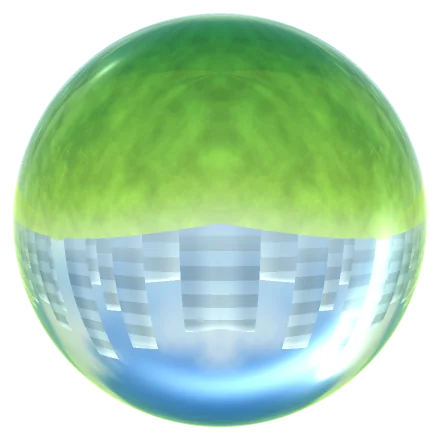
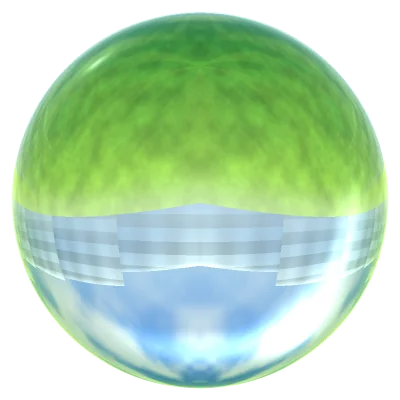
There is a complete coastline inside the glass sphere. The buildings have windows, the trees have shadows, and a tiny tide comes in twice a day. Nobody has found a seam. When the sphere turns, the city stays upright.
Field note · Aero treats nature and technology as an easy partnership. This little city takes that promise literally, then puts it somewhere it cannot belong.
03 / Mirage stationThe station that is only there at noon.
A weather station broadcasts from the middle of the ocean, but only in the hour when the sun is directly overhead. It gives the temperature of places that are not on any chart, always one degree warmer than here. At one o'clock it stops mid-sentence, politely, as if someone had simply closed a door.
Field note · Aero futures run on helpful systems that appear exactly when needed. This one keeps office hours. The politeness of the cutoff is what makes it feel designed rather than broken.
04 / Chrome currentThe signal has a surface.
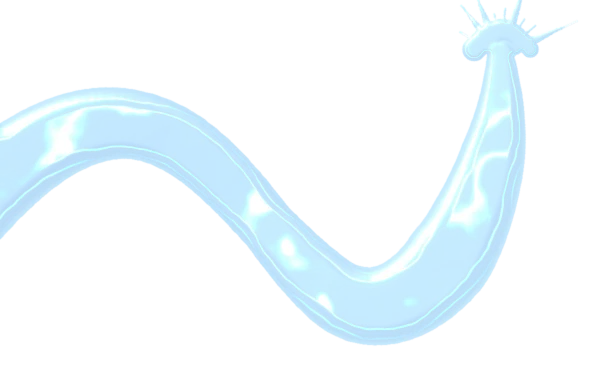
The silver ribbon changes colour when the receiver is tuned. Blue at a distance, pink near the bend, almost transparent where it crosses the sun. It does not cast the shadow we expect. We have stopped calling it metal.
Field note · Water, glass and chrome share reflections but behave differently. An object that refuses to settle on one material makes a good dream landmark.
05 / Return channelThere is no mainland.
Every map of this place ends in a blue margin. Boats arrive with empty passenger lists and postcards addressed to rooms that have never been built. If you hear this transmission, leave the receiver on. We are still looking for a shore that stays put.
Field note · The bright palette suggests an uncomplicated future. The missing mainland gives it a stranger underside. Keep the optimism; leave one question unanswered.
06 / Last light channelAlmost out of band.
Past the last clear station the dial gives out this one, faint and mostly light. It does not seem to carry words. It carries the sound a screen makes just before it sleeps, and a slow brightening, as if somewhere a desktop is waking up and deciding what the weather will pretend to be.
Field note · Every receiver has an edge where the intended signals run out. What lives there decides whether a world feels finished or still open. This one is deliberately left unanswered.